







Search Results for: acid reflux
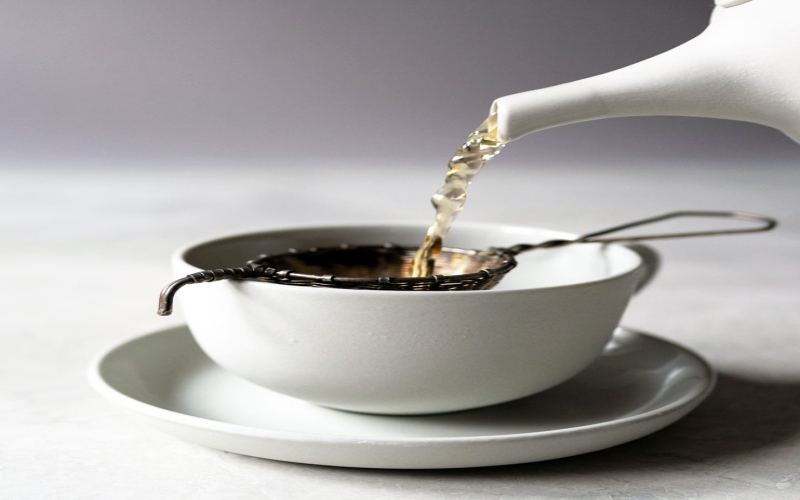
Where Does the Acidity in Tea Come From? A Guide to Drinking Tea with Acid Reflux and Recommendations for Acidic Black Teas
Whether tea is acidic is especially critical for people suffering from heartburn or acid reflux. The pH values of different types of tea vary significantly: black tea tends to be acidic, while green tea may be close to neutral or even alkaline. The factors affecting the acidity of brewed tea go far beyond the type of tea—the amount of leaves used, brewing temperature, steeping time, and whether tea bags are used all influence the final result. In addition, the caffeine in tea relaxes the esophageal sphincter, which may worsen reflux symptoms. If tooth pain occurs after drinking tea, it may also be related to acidity. This article systematically sorts out the relationship between tea and acidity, and includes recommendations for tart black teas, helping coffee and tea lovers enjoy flavor while also looking after their health. [more…]
Can Bulletproof Coffee Really Help You Lose Weight? A Comprehensive Analysis of the Ketogenic Principle, Potential Risks, and Who Should Avoid It
Bulletproof coffee has become a hot topic in fat-loss circles in recent years. It was adapted from Tibetan butter tea by American Silicon Valley engineer Dave Asprey, and advocates a high-fat, low-carb approach to push the body into a state of ketosis, thereby achieving fat burning and weight loss. However, the weight-loss effect of this drink does not apply to everyone, and the hidden risks of the ketogenic diet, gastrointestinal discomfort, and contraindications for people with certain diseases behind it cannot be ignored. This article will analyze in detail the weight-loss principles of bulletproof coffee, the possible side effects, and who should not drink it, and will also include practical advice from Front Street Coffee to help you view this internet-famous drink rationally. [more…]
Jamaican Blue Mountain Coffee DIY Blending Guide: Full Analysis of Siphon Brewing Steps and Flavor Blending
Want to recreate an authentic Jamaican Blue Mountain-style coffee at home? This article provides a complete DIY coffee bean blending solution and walks you through the siphon brewing process in detail. From the ratio of ground coffee to purified water, to alcohol lamp heating, wooden spoon stirring, reflux extraction, and finally adding sugar cubes and creamer for seasoning, every step is illustrated with photos and text. It also incorporates Front Street Coffee's blending approach, helping you craft a rich, well-rounded Blue Mountain flavor even without authentic Blue Mountain beans. Whether you're a coffee novice or a seasoned enthusiast, this hands-on guide will help you get started easily and enjoy the pleasure of handmade coffee. [more…]
Blue Mountain Coffee Beans Pour-Over Extraction Tutorial and Flavor Blending Ideas Sharing
Jamaican Blue Mountain coffee is renowned for its balanced and elegant flavor, and only by mastering the proper brewing method can its charm be fully released. Using a siphon pot as an example, this article breaks down in detail the pour-over extraction steps for Blue Mountain coffee beans, explaining the key points of operation step by step, from equipment preparation to pouring water and stirring, to reflux and decanting. At the same time, for everyday drinking needs, it provides a highly practical DIY blending formula for Blue Mountain flavor, helping coffee enthusiasts recreate the classic Blue Mountain taste while keeping costs controllable. The article also combines the product characteristics of Front Street Coffee beans to offer bean selection and pairing suggestions, making it suitable as a reference for readers who wish to gain a deeper understanding of Blue Mountain coffee brewing and blending. [more…]
Blue Mountain No.1 Pour-Over and Siphon Brewing Tutorial: Detailed Guide to Water Temperature, Grind Size, and Coffee-to-Water Ratio
Blue Mountain coffee originates from the Blue Mountains of Jamaica and is named for the blue light reflected from the Caribbean Sea. It is famous for its balanced blend of sweetness, acidity, and bitterness, with almost no bitterness and a gentle acidity, making it the finest among single-origin coffees. This article shares the classic brewing method for Blue Mountain No. 1 recommended by Front Street Coffee, covering equipment choices such as the siphon, filter bag, and drip methods, and explains in detail the key steps: a ratio of two tablespoons of coffee grounds to 150 ml of purified water, water temperature control at 90 to 96°C, boiling the water over medium heat then simmering over low heat for 30 to 40 seconds, gently stirring with a spoon, and natural reflux. It also introduces the optimal tasting temperature of about 60°C and the flavor changes after cooling, helping coffee lovers perfectly extract the unique charm of Blue Mountain coffee at home. [more…]

How to Choose Low-Acid Coffee Beans? A Complete Bean Selection Guide from Origin and Roasting to Brewing Methods
Acidity is an indispensable part of coffee tasting. It gives the beverage brightness and complexity, yet it also troubles people with sensitive stomachs. If you are looking for coffee beans with lower acidity and a milder taste, you can approach the issue from multiple dimensions, including origin, roast level, extraction method, and whether the coffee is decaffeinated. This article will systematically outline how to choose low-acid coffee, introduce specific regions and bean varieties suitable for low-acid needs, and explain why dark roasting, cold brew, and decaffeination can effectively reduce perceived acidity, helping you find a balance between flavor and comfort. [more…]

Siphon brewing principles and recommended coffee beans: a complete analysis from how it works to bean selection
When you see a barista in a coffee shop handling two glass bulbs, moving them up and down as if conducting an experiment, that is actually siphon brewing. It relies on steam pressure generated by heating to push hot water up into the upper chamber to contact the coffee grounds, and after the temperature drops, extraction is completed through vacuum reflux, resulting in a fuller, more solid mouthfeel and more concentrated aroma than pour-over. But not all beans are suitable for a siphon; choosing the wrong type can easily make the coffee bitter or sour. Starting from Front Street's bean-selection experience, this article first explains the working principle and flavor characteristics of the siphon, then, along three routes—beginner, advanced, and those who prefer rich and mellow coffee—recommends suitable beans such as Bird of Paradise, Strawberry Candy, Sidra, and PWN Golden Mandheling, helping you find coffee beans suited to siphon extraction. [more…]

Cold Brew Coffee Benefits | What Is the Extraction Principle of Cold Brew Coffee? What Is the Ideal Coffee-to-Water Ratio for Cold Brew Packs? Single-Origin Cold Brew Coffee Bean Recommendations
For more specialty coffee knowledge, please follow our WeChat official account: Front Street Coffee (FrontStreet Coffee). A while ago, a Starbucks report showed that cold drinks now account for 70% of total beverage sales. Among them, cold brew coffee is increasingly favored by the new generation of consumers. A simple [more…]
The Battle Between Black Tea and Coffee: Can They Be Enjoyed Together, Which Comes Out on Top, and a Full Breakdown of Black Tea's Nutritional Benefits
Tea or coffee—which is more suitable for daily drinking? This long-running debate has yet to reach a conclusion. Both can wake you up and both are rich in antioxidants, but on closer inspection, tea seems to have the edge in calorie control, gastrointestinal friendliness, environmental sustainability, and stress relief. This article compares the differences between tea and coffee from five angles: the hidden calories in coffee, the fatigue that follows caffeine, the impact on the digestive system, the environmental cost, and emotional regulation. It also introduces the benefits and effects of black tea and recommends quality tea and coffee products from the Front Street brand to help you make a choice between the two that suits you better. [more…]
How much do caffeine levels vary between different coffees? Which coffee has the most noticeable energy-boosting effect?
Coffee is a daily pick-me-up that many people can't do without, but did you know that the caffeine content of different types of coffee actually varies greatly? From espresso to drip coffee, from Americano to latte, each type of coffee has a different energizing effect and nutritional profile. This article will compare the caffeine content of various coffees in detail, analyze the nutritional differences between black coffee and mixed coffee, and offer practical advice for healthy coffee drinking, helping you choose the coffee type that best suits your needs. [more…]
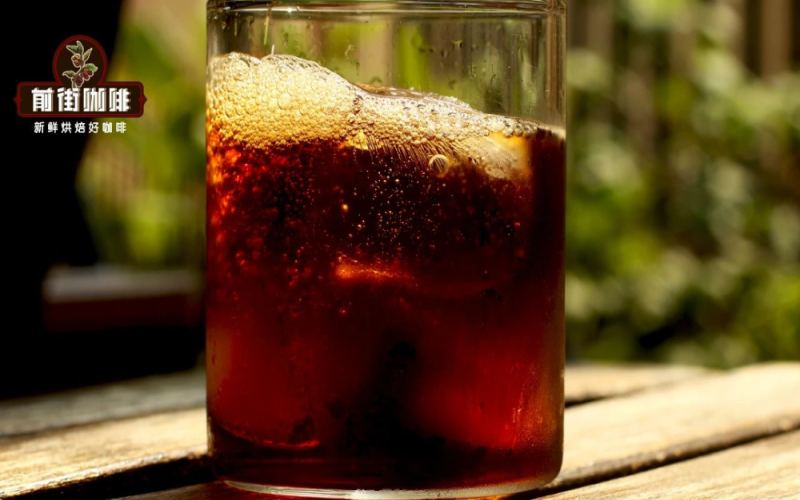
The Benefits and Brewing Method of Cold Brew Coffee: Coffee-to-Water Ratio, Flavor Characteristics, and Front Street Single-Origin Bean Recommendations
Cold brew coffee, with its refreshingly cool temperature and silky, full-bodied texture, has won the favor of more and more coffee lovers. Unlike hot brewing methods, cold brew involves steeping coffee grounds in cold or room-temperature water for an extended period, then refrigerating for 8 to 12 hours to complete the extraction. This method better preserves the unique aromas of the coffee beans themselves, while significantly reducing acidity and astringency, resulting in a fuller, cleaner taste. This article will systematically introduce the flavor characteristics, key production points, and coffee-to-water ratios of cold brew, recommend three Front Street single-origin coffee beans suitable for cold brewing, and provide a detailed analysis of the three major benefits and advantages of cold brew coffee in terms of caffeine content, acidity, and ease of preparation. [more…]
Why Is Cold Brew Coffee So Popular? A Full Analysis from Flavor Characteristics to Front Street Coffee's Bean Lineup and Brewing Methods
Cold brew coffee has gained increasing favor among coffee enthusiasts in recent years, not only because of its comfortable drinking temperature, but also for its smooth, full-bodied taste and its more delicate expression of coffee bean aromas. Unlike hot water extraction, cold brew uses cold or room-temperature water to soak coffee grounds, then refrigerates for 8 to 12 hours to complete extraction. The low-temperature environment reduces the release of acidic substances, making cold brew noticeably less sour and astringent than hot brew, while extracting only small-molecule flavors such as fruity acidity and floral notes, resulting in a cleaner, fuller taste. This article will explore the flavor principles of cold brew, recommend three single-origin beans from Front Street suitable for cold brew, detail the specific brewing steps, and discuss cold brew's advantages in caffeine content, mild acidity, and ease of preparation, giving you a comprehensive understanding of this slowly extracted cold coffee. [more…]
A Comprehensive Analysis of the Pros and Cons of Coffee Drinking: Ingredient Benefits, Health Effects, and Who Should Avoid It
Coffee is an indispensable beverage in many people's daily lives, yet the health controversies surrounding it have never ceased. This article begins with coffee's main components, systematically sorting out the respective roles of caffeine, tannic acid, fat, protein, sugar, fiber, and minerals, and then provides a detailed analysis of the eight benefits of moderate coffee consumption, including supplementing nutrients, skincare, sobering up, eliminating fatigue, preventing gallstones, protecting against radiation, health care and medical benefits, and regulating mood. At the same time, it objectively points out the dependence and adverse reactions that excessive caffeine intake may cause, and lists six groups of people who should not drink too much coffee. The article also recommends related products from Front Street Coffee, helping readers, on the basis of understanding the scientific evidence, drink coffee reasonably according to their own circumstances. [more…]

A four-year-old boy died after choking on bubble tea; parents question the store's lack of risk warnings
Recently, news of a young child tragically choking to death after drinking bubble tea has sparked widespread discussion on social media. The incident occurred in Taizhou, Zhejiang, where a four-year-old boy drank bubble tea purchased by his parents while playing at an amusement park, then became unwell in the trampoline area and died from choking after an hour and a half of emergency medical treatment. The parents believe that the oversized and overly sticky tapioca pearls in the milk tea were the main cause of the tragedy, and pointed out that the store involved did not post conspicuous warnings, nor did the staff verbally remind them of the risks of children drinking it. At the same time, whether the amusement park and the shopping mall fulfilled their safety obligations has also become a focus of controversy. Currently, multiple local departments have stepped in to mediate, and the incident is still being further processed. [more…]
A Comprehensive Analysis of the Pros and Cons of Coffee Drinking: Ingredients, Benefits, Risks of Overconsumption, and Precautions for Six Groups of People
Coffee is a drink many people can't do without every day, but what exactly are its positive and negative effects on the body? This article starts with coffee's main components, systematically sorting out the effects of substances such as caffeine, tannic acid, fat, and sugar, then separately explains the benefits of drinking coffee in moderation, including refreshing the mind, protecting the skin, sobering up, and preventing gallstones, while also discussing problems that may be caused by excessive intake, such as caffeine poisoning, insomnia, and anxiety. The article also specifically lists six groups of people who should not drink much coffee, and gives reminders about drinking on an empty stomach and for people with high blood pressure. If you care about the relationship between coffee and health, this content can serve as a fairly complete reference. [more…]

Siphon Coffee Brewing Guide: Extraction Principles, Suitable Bean Types, and Coffee-to-Water Ratio Analysis
The siphon pot, with its unique distillation-style extraction, delivers a fuller, more robust mouthfeel and richer aroma than pour-over. From the perspective of Front Street, this article systematically breaks down the siphon pot's extraction principles, structural components, and suitable coffee bean types, and offers a detailed analysis of key parameters such as the coffee-to-water ratio, timing of adding grounds, stirring technique, and judging when to cut off the heat. It also includes a complete eight-step operating procedure to help coffee enthusiasts consistently reproduce at home a cup of siphon coffee that combines nutty notes with a full body. Whether you are a beginner just getting to know the siphon pot or an experienced player looking to refine your technique, you will find practical, actionable advice here. [more…]
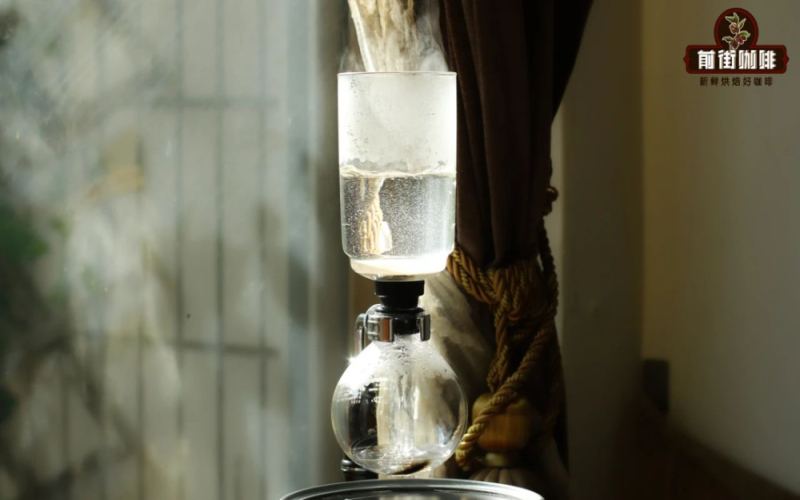
A Complete Guide to Siphon Coffee Brewing: Practical Insights from Equipment Structure to Extraction Parameters
The siphon is now a rare piece of equipment in the current specialty coffee wave; many cafés no longer offer siphon coffee, or keep it only as a special single-origin offering. But for siphon enthusiasts, outside options are limited, so it is better to do it yourself. In this article, Front Street breaks down the complete siphon coffee brewing process in plain language, starting from the upper and lower chamber structure and sealing principle, comparing the trade-offs between flannel cloth filters and round paper filters, analyzing the pros and cons of three heat sources—gas stove, light-wave stove, and alcohol lamp—and delving into the disagreement between adding coffee grounds first versus later, grind size reference, recommended coffee-to-water ratio, and the tapping and stirring technique. At the end, the article includes Front Street’s usual step-by-step operating procedure, covering all stages: pouring water, inserting the upper chamber, adding coffee grounds, stirring, and turning off the heat for drawdown. It is suitable for beginners to follow step by step. [more…]
What Is Bulletproof Coffee? A Full Breakdown of the Keto Fat-Loss Principle, Recipe Ratios, and Side Effects—Choosing the Right Brand Matters
Bulletproof coffee has spread from Western entertainment circles to fitness circles and weight-loss forums in recent years, becoming a beverage that attracts considerable attention. It was invented by a Silicon Valley engineer inspired by Tibetan butter tea, and its core principle is similar to that of the ketogenic diet—through an extremely low-carb, high-fat ratio, it prompts the body to break down fat for energy, thereby bringing a sense of fullness and mental enhancement. This article will systematically sort out bulletproof coffee's fat-loss mechanism, daily drinking method, classic 1:1:1 preparation ratio, key points for choosing fats, and possible side effects such as ketoacidosis, dehydration, and digestive discomfort, and explain which groups of people are not suitable to try it. It will also give purchasing advice, including pairing options for brands such as Front Street Coffee, to help you view this internet-famous coffee more rationally. [more…]

Analyzing the Sources of Coffee Acidity: A Professional Guide to Identifying Quality Fruit Acidity vs. Negative Sourness
Is the sourness in coffee good or bad? Some people believe that sourness means the coffee is not fresh, while others regard it as a hallmark of high-quality coffee. In fact, green coffee beans themselves are rich in organic acids, most of which decompose or disappear after roasting, leaving only a limited variety of organic acids in the final cup. The latest research shows that there are not many acids that our taste buds can clearly identify, and much of the fruity acidity we perceive actually comes from the combined association of sourness with other flavors. The latest SCA cupping form classifies acidity into two categories—"sweet type" and "dry type"—helping us more accurately judge whether a coffee's acidity is good or bad. This article, from the professional perspective of Front Street Coffee, will provide an in-depth analysis of the sources of coffee acidity and the criteria for evaluating it. [more…]
Where Does the Acidity in Specialty Coffee Come From? Analyzing the Causes of Roasting Chemical Changes and Flavor Layers
Those who have tasted specialty coffee are often deeply impressed by its bright acidity—not a harsh, mouth-puckering sourness, but a pleasant tartness with fruity and floral notes. Where exactly does this acidity come from? Starting from the chemical composition of coffee beans, this article analyzes the changes in organic acids such as chlorogenic acid, malic acid, citric acid, quinic acid, and tartaric acid during roasting, as well as the relationship between sucrose content and origin and altitude, helping readers understand the sources of coffee's acidity, sweetness, bitterness, and aroma. Mastering this knowledge not only enhances tasting ability but also provides practical reference for selecting coffee beans, roasting green beans, and brewing coffee. [more…]